
Who Actually Sells Bank Auction Properties? Complete Guide for Buyers
One of the most common doubts among first-time buyers is simple:
“Who is actually selling these auction properties?”
Understanding this is very important because it directly impacts legal safety, trust, and transparency in your purchase.
Let’s break it down clearly.
Who is Responsible for Selling Auction Properties?
Auction properties are not sold by random sellers.
They are officially sold by:
- Banks (Public & Private)
- Financial Institutions
- Government Authorities
- Legal Bodies
These organizations auction properties to recover unpaid loans or dues from borrowers.
👉 Example: If a borrower fails to repay a home loan, the bank takes legal possession and auctions the property.
Can Private Individuals Auction Properties?
Short answer: No (in most cases).
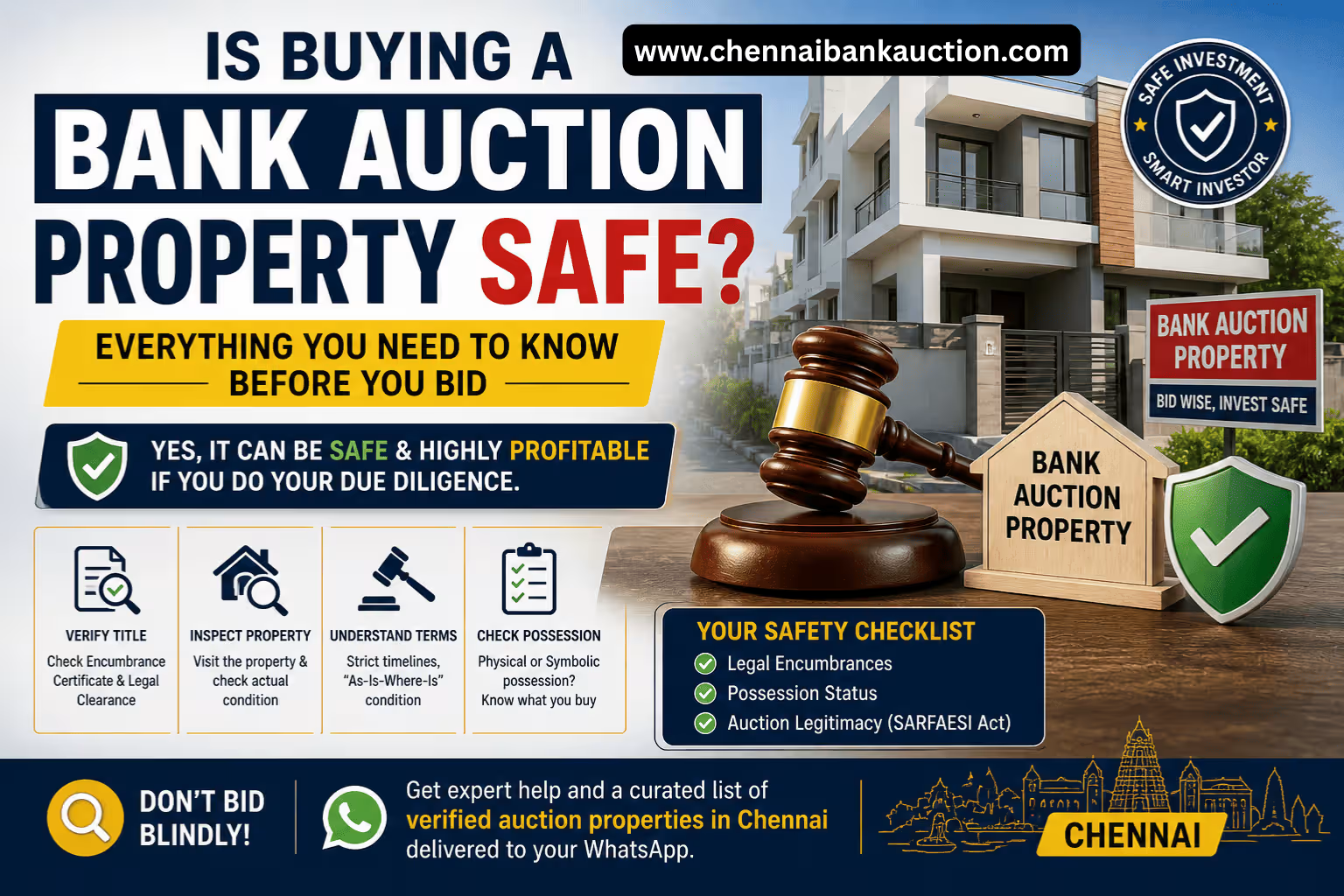
In India, auction sales must follow strict legal frameworks like the SARFAESI Act.
Private owners cannot conduct public auctions directly
Auctions must be handled through:
- Banks
- Courts
- Authorized legal channels
👉 This ensures legal validity and buyer protection
Which Organizations Conduct Property Auctions?
Auction properties in Chennai come from multiple sources:
Like Banks & Financial Institutions
- SBI
- PNB
- HDFC Bank
- ICICI Bank
- Bank of Baroda
Other Legal & Financial Bodies
- DRT (Debt Recovery Tribunal)
- NBFCs (Non-Banking Financial Companies)
- NCLT (National Company Law Tribunal)
- ARC (Asset Reconstruction Companies)
- High Courts
👉 These institutions handle thousands of auctions every year.
What Does the Recovery Officer Do?
The Recovery Officer plays a key role in the auction process.
Their responsibilities include:
- Managing the auction process
- Ensuring legal compliance
- Fixing the reserve price
- Supervising bidding
- Maintaining transparency
👉 In DRT cases, the Recovery Officer has legal authority over the auction
Are Government Properties Also Auctioned?
Yes 👍
Government bodies also conduct auctions for:
- Residential properties
- Commercial buildings
- Land parcels
- Common Authorities:
- TNHB (Tamil Nadu Housing Board)
- DDA
- CIDCO
- Municipal Corporations
👉 These properties may come from:
- Unclaimed assets
- Confiscated properties
- Government schemes
Where Are Auction Notices Published?
Auction opportunities are publicly announced to ensure fairness.
You can find them in:
- Newspapers (legal section)
- Bank websites
- E-auction portals
- Public notices
👉 Tracking all these manually is difficult.
That’s why platforms like www.chennaibankauction.com
help by:
- Listing Properties, Cars, Gold, Scrap auctions daily
- Covering Chennai, Kanchipuram, Chengalpattu, Tiruvallur
- Aggregating data from 170+ organizations
- Providing updates at low membership cost
Do Auction Platforms Sell Properties Directly?
No ❌
Platforms like:
- MSTC
- Bank e-auction portals
👉 Only act as facilitators
They:
- Host the auction
- Manage bidding process
But:
- They do NOT own or sell the property
- The actual seller is always a bank or institution
Who Verifies the Legal Status? (Important)
This is where most buyers make mistakes.
👉 Banks do basic verification
👉 But final responsibility is 100% yours
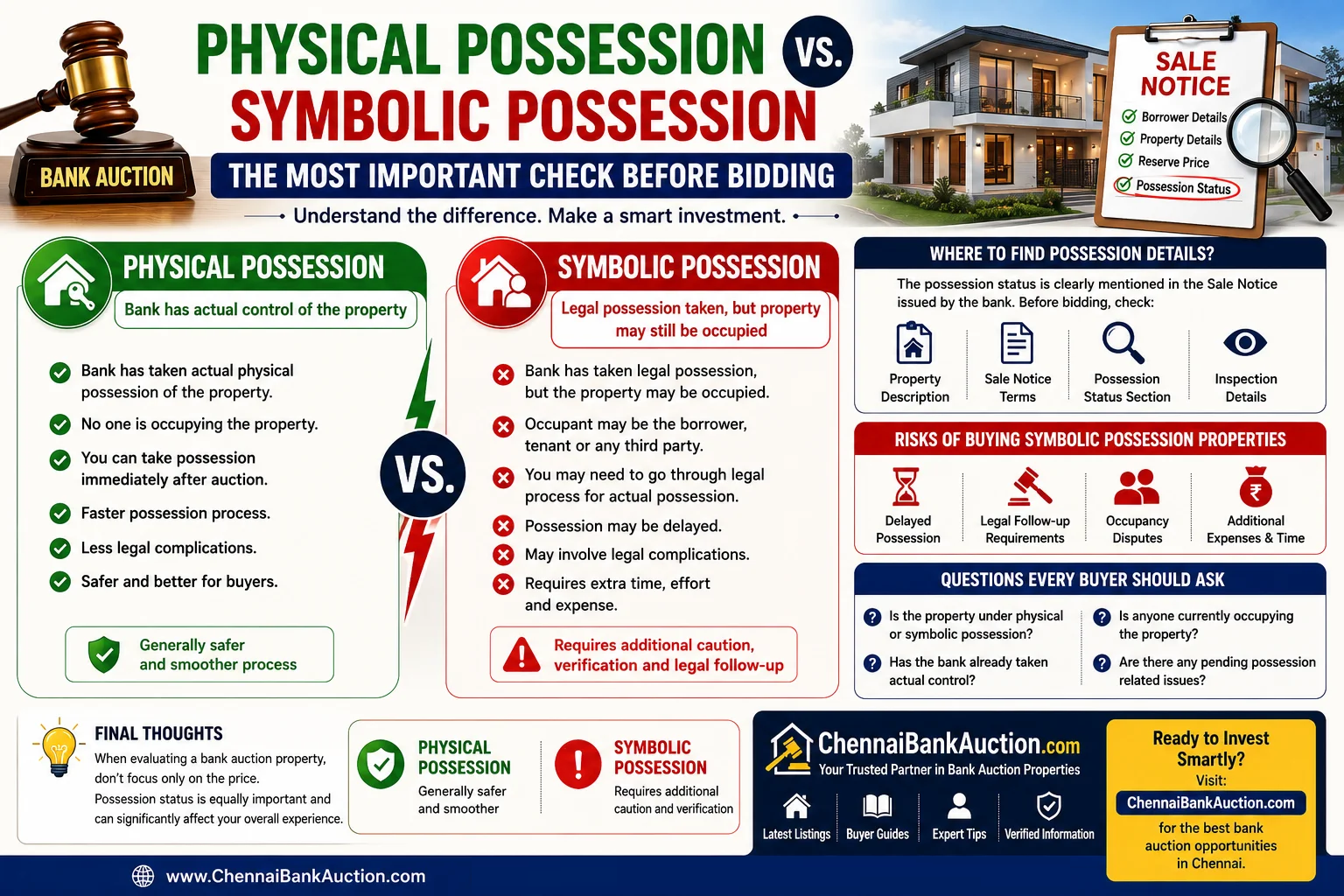
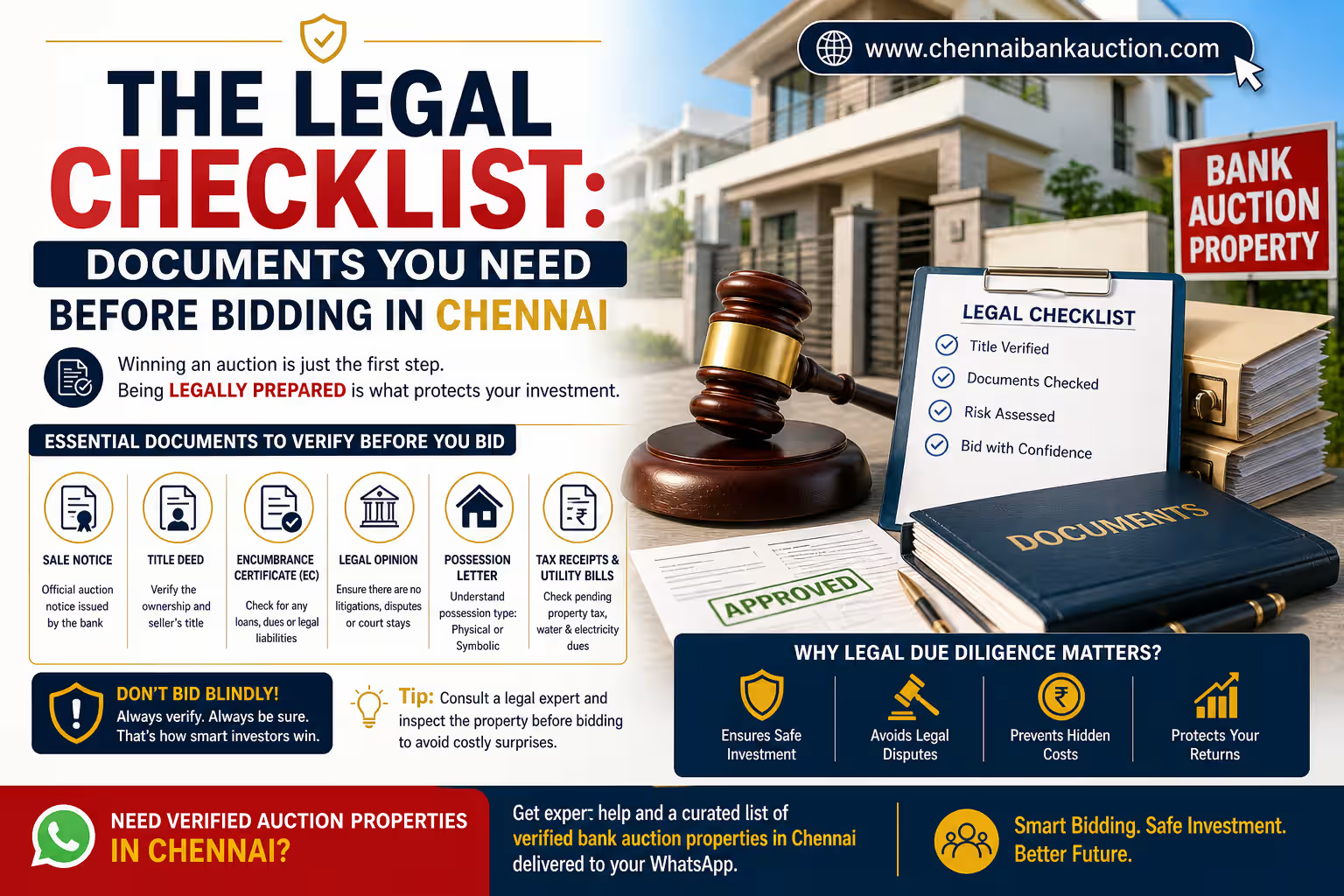
Before bidding, you must check:
- Title Deed
- Encumbrance Certificate
- Pending legal cases
- Possession status
- Property condition
👉 Never assume the property is fully safe just because it’s from a bank.
Final Insight: Know the Seller Before You Bid
In bank auctions, the seller is always a legally authorized entity, not an individual.
That’s what makes auction properties:
Legitimate ✅
Transparent ✅
Potentially profitable ✅
But success depends on:
👉 Understanding the process
👉 Verifying documents
👉 Choosing the right property
🚀 Don’t Miss Genuine Auction Deals
If you’re serious about buying auction properties:
👉 Get verified listings daily
👉 Avoid risky properties
👉 Save time on manual searching
Visit: www.chennaibankauction.com
Get auction alerts directly on WhatsApp from 160+ sources across Chennai.
Share with your friends
Recent Posts